Supply chain logistics is a field encompassing the coordination of production, shipment, and delivery of goods. It involves a complex network of organizations, people, technology, and resources aimed at ensuring efficient processes. Understanding every component from warehousing to transportation is crucial in ensuring timely, cost-effective delivery while maintaining product quality and meeting consumer demands.
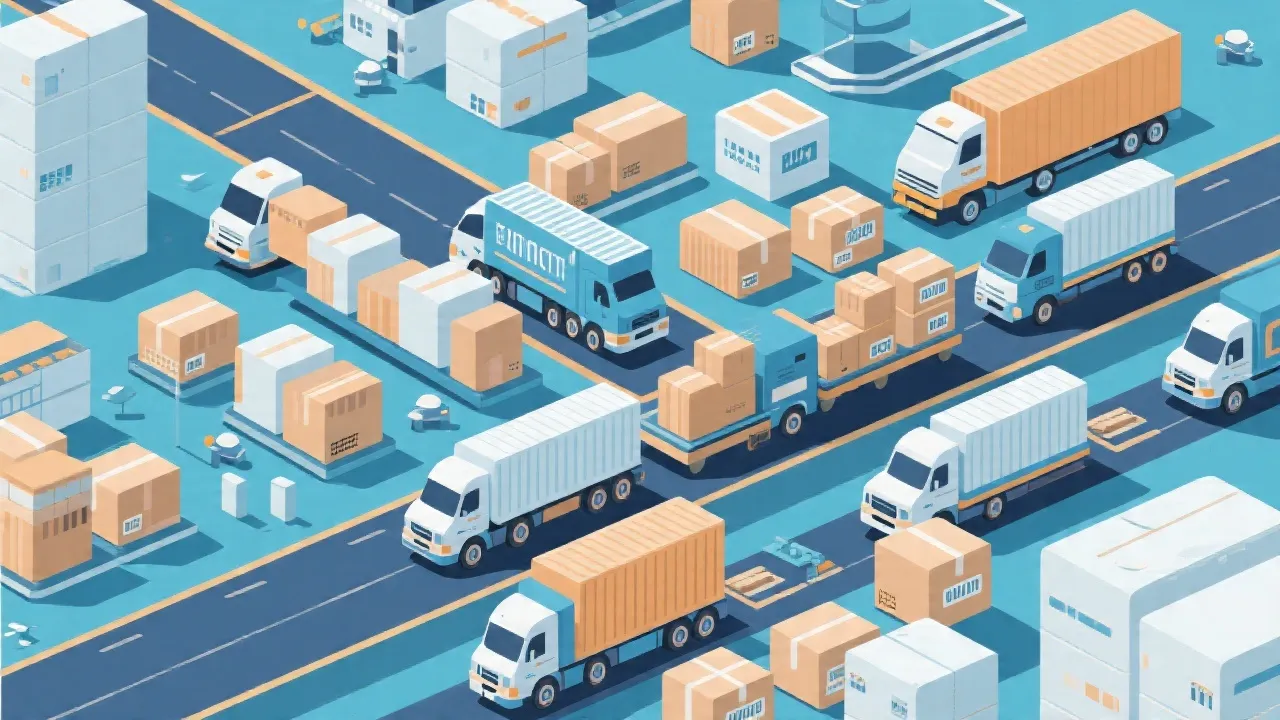
Supply chain logistics is the intricately woven web that connects the dots from the initial stages of raw materials collection to the final delivery of products to consumers. It requires mastering an assortment of components, including production, warehousing, transportation, and inventory management, which together form the backbone of an efficient supply chain. The process of logistics doesn't just end with the delivery of goods; it extends into after-sales service and customer feedback loops that help refine and improve operations continuously.
At its core, supply chain logistics is about optimizing the movement of goods. Key elements involved in this process include:
In the logistics framework, warehousing plays a pivotal role. The design and management of warehouses can significantly impact a company's overall operational efficiency. Advanced warehousing techniques include automated pick and pack systems where robots work alongside human workers to increase throughput and reduce the time taken to fulfill orders. Additionally, the use of vertical storage solutions can optimize space utilization, allowing companies to store greater quantities of goods without needing larger warehouse footprints.
The transportation component of logistics involves coordinating the movement of goods from one location to another. This not only includes the selection of appropriate vehicles but also involves planning optimal routes to minimize delays and costs. Companies increasingly turn to technology such as Transportation Management Systems (TMS) that leverage algorithms to find the best possible transport solutions, taking into account factors such as fuel prices, congestion, and shipping time frames. Additionally, multimodal transportation, which utilizes a combination of transport modes, is becoming popular for its flexibility and cost-effectiveness.
Effective inventory management extends beyond just keeping track of stock levels. It encompasses a variety of strategies tailored to optimize stock storage and control. Two pioneering methods in inventory management are Just-in-Time and Economic Order Quantity. Organizations may also employ techniques such as ABC analysis, which categorizes inventory based on importance, allowing businesses to prioritize management efforts on the most critical items. Inventory forecasting tools, powered by AI, can predict future demand based on historical data, further enhancing the accuracy of inventory management.
Supply chain logistics has undergone significant transformation in recent years. The digital revolution brought with it advanced tracking systems and data analytics, enabling companies to propel through the complexities of global trade with ease. Current trends emphasize sustainability and resilience, as businesses strive to reduce carbon footprints while remaining adaptable to disruptions. The rise of e-commerce has also dramatically changed logistics strategies; fulfillment centers are now positioned closer to urban areas to ensure quicker delivery times, tapping into the growing demand for same-day and next-day delivery options.
In an era where environmental consciousness is at an all-time high, supply chain logistics is placing increasing emphasis on sustainability. Companies are actively seeking to reduce their carbon footprints from logistics operations by exploring alternatives like electric vehicles, optimizing delivery routes, and employing energy-efficient warehousing practices. The Circular Economy concept, which advocates for reducing waste and encouraging reuse, is also influencing logistics strategies, pushing companies to take responsibility for their products throughout their lifecycle.
Data analytics is a critical player in modern supply chain logistics, influencing decision-making processes and operational efficiency. By collecting and analyzing large sets of data, companies can uncover insights into inventory turnover rates, supplier performance, and customer buying behaviors. Predictive analytics allows companies to anticipate demand fluctuations, thus optimizing inventory levels and reducing excess stock. Moreover, real-time data sharing across supply chain partner platforms enhances collaboration and responsiveness, leading to more synchronized operations.
Supply chain logistics faces numerous challenges, such as fluctuating demand, geopolitical tensions, and regulatory constraints. The COVID-19 pandemic is a recent example of how external forces can disrupt supply chains globally, forcing businesses to adapt rapidly. To mitigate these issues, companies are adopting adaptive logistics strategies, which involve closer collaboration with suppliers and an increased reliance on artificial intelligence and machine learning for predictive analysis. By creating more agile and flexible supply chains, businesses can better respond to unexpected challenges.
Managing compliance in global trade is complex due to the varying regulations across countries. Companies must be well-versed in customs regulations, trade tariffs, and document requirements. Non-compliance can result in severe delays and financial penalties. To address this, businesses are investing in compliance technologies that automate and streamline the documentation process while ensuring that all regulatory requirements are met accurately and efficiently. Leveraging blockchain for smart contracts can also provide a secure method of ensuring compliance throughout the logistics chain.
Q: How does supply chain logistics impact customer satisfaction?
A: An efficient supply chain ensures timely delivery and product availability, both of which are critical to maintaining high customer satisfaction levels. Furthermore, customers are increasingly expecting transparency in tracking shipments, which logistics can provide through modern tracking systems, thus enhancing trust and satisfaction.
Q: What role does technology play in supply chain logistics?
A: Technology facilitates better data management and real-time tracking, which are crucial for optimizing logistics operations and improving supply chain visibility. From automating warehousing processes to employing AI for demand forecasting, technology streamlines operations and enhances efficiency across the entire supply chain.
| Strategy | Advantages | Disadvantages |
|---|---|---|
| Just-in-Time (JIT) | Reduces inventory costs, increases efficiency | Vulnerable to supply chain disruptions such as sudden demand spikes or production delays |
| Lean Supply Chain | Minimizes waste, enhances process improvements that streamline operations and reduce costs | Can be costly to implement initially due to the need for process re-engineering and training |
| Agile Supply Chain | Highly responsive to market changes, promoting better customer service and satisfaction | Requires high investment in technology and employee training for rapid adaptation |
| Hybrid Supply Chain | Combines lean and agile methodologies to balance efficiency and responsiveness | Can be complex to manage, requiring detailed planning and execution |
| Digital Supply Chain | Utilizes digital technologies such as IoT and AI for improved visibility and control | Dependence on technology creates vulnerability to cyber threats |
The future of supply chain logistics is bright, promising further innovations such as blockchain technology for enhanced traceability, and the continued integration of IoT for better connectivity. Blockchain facilitates secure transaction verification, making it an ideal fit for enhancing transparency and accountability in logistics. As supply chains become more digitized, data security becomes paramount, prompting investments in advanced cybersecurity measures.
Emerging technologies such as 3D printing and drones are also poised to revolutionize supply chain logistics. 3D printing can help reduce lead times by enabling on-demand production, while drones can enhance last-mile delivery efficiency, especially in congested urban areas or hard-to-reach locations. The continued development of autonomous vehicles may also change the landscape of supply transportation in the near future, potentially lowering labor costs while improving speed and efficiency.
Ultimately, mastering supply chain logistics requires not just an understanding of its individual components but also an ability to see the bigger picture. Keeping abreast of trends and technologies will enable businesses to remain competitive and responsive in an ever-evolving landscape. By acknowledging the dynamic nature of global trade, alongside the importance of strategic planning and technology adoption, organizations can forge a path toward a streamlined, resilient supply chain capable of thriving in challenging times. As the demands of consumers continue to shift, the ability to adapt and innovate within supply chain logistics will become even more critical to success.




The year 1222 marks a significant period in history, noted for its pivotal events and developments across various domains. Rooted in the early 13th century, this year witnessed influential occurrences that impacted political, cultural, and scientific landscapes. Understanding the context and implications of this era offers valuable insights into the patterns of societal evolution.
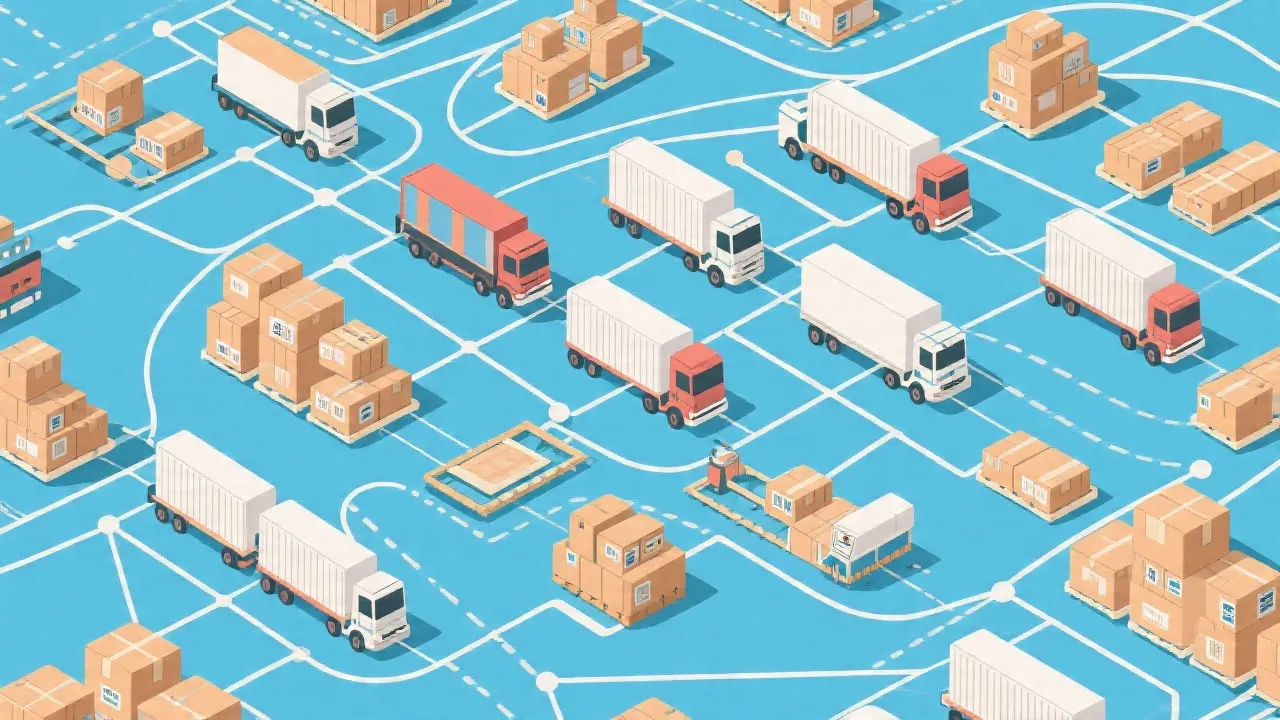
Supply chain logistics involves the intricate planning, management, and coordination of product flow from origin to consumer. This article explores the key components, challenges, and top practices in the field, providing insights for professionals aiming to optimize processes and reduce costs. By understanding the nuances of supply chain logistics, businesses can enhance efficiency and deliver superior value to customers.
Supply chain logistics is a field encompassing the coordination of production, shipment, and delivery of goods. It involves a complex network of organizations, people, technology, and resources aimed at ensuring efficient processes. Understanding every component from warehousing to transportation is crucial in ensuring timely, cost-effective delivery while maintaining product quality and meeting consumer demands.
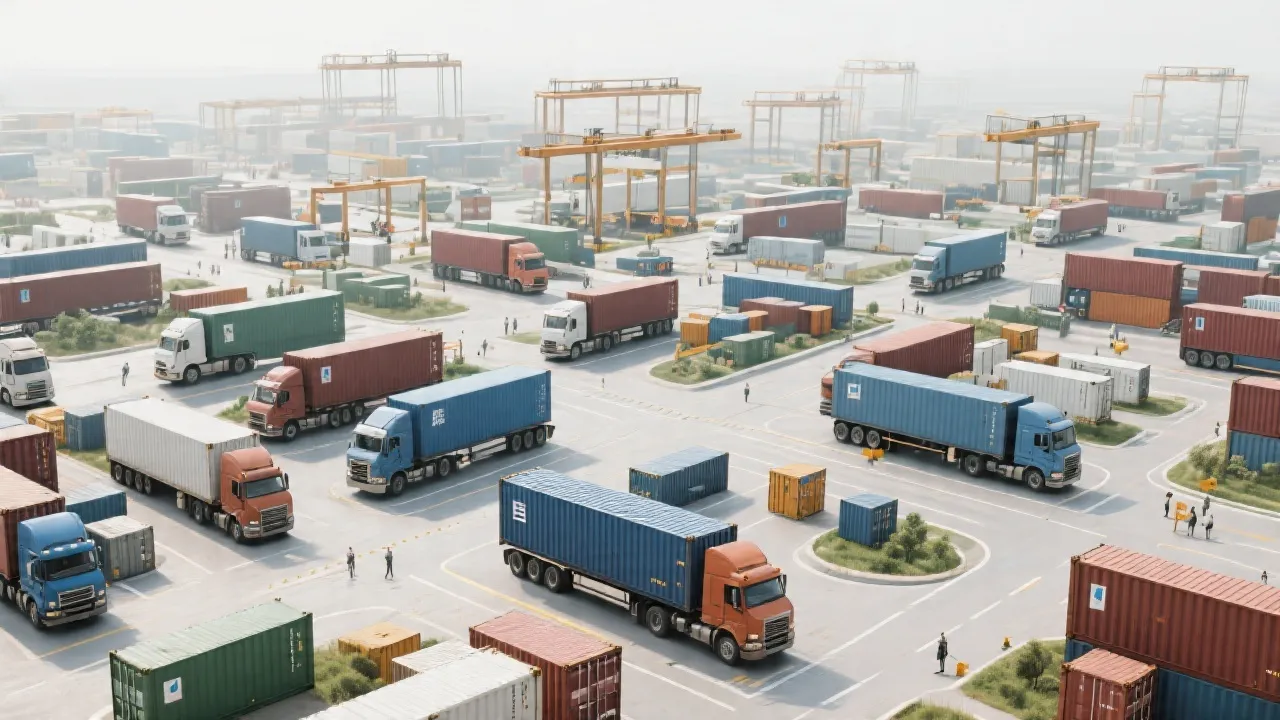
This guide explores the intricate landscape of supply chain logistics, emphasizing its essential role in global trade. Supply chain logistics involves the management of complex processes prioritizing efficiency and cost-effectiveness. This article delves into the core components, challenges, and future trends within this dynamic field, offering insights for professionals and businesses seeking to optimize their operations.

Supply chain logistics is a pivotal aspect of modern commerce, involving the strategic coordination and management of goods from suppliers to consumers. This article explores the intricacies of supply chain logistics, providing a comprehensive analysis from an industry expert's perspective, and offering insights into its function, challenges, and future trends.

Supply chain logistics involves the meticulous coordination and management of supply chain activities. Its primary aim is to ensure efficiency and cost-effectiveness while optimizing resources. Professionals in this field are tasked with overseeing everything from sourcing and procurement to manufacturing, distribution, and eventual delivery to the consumer. By understanding intricate logistics networks, businesses can enhance their operational success.