This article delves into the intricacies of supply chain logistics, offering insights into efficiently managing the flow of goods from suppliers to consumers. In today's globalized world, the role of supply chain logistics is paramount. It encompasses comprehensive strategies for transportation, warehousing, and inventory management, aiming to optimize efficiency and cost-effectiveness across industries.
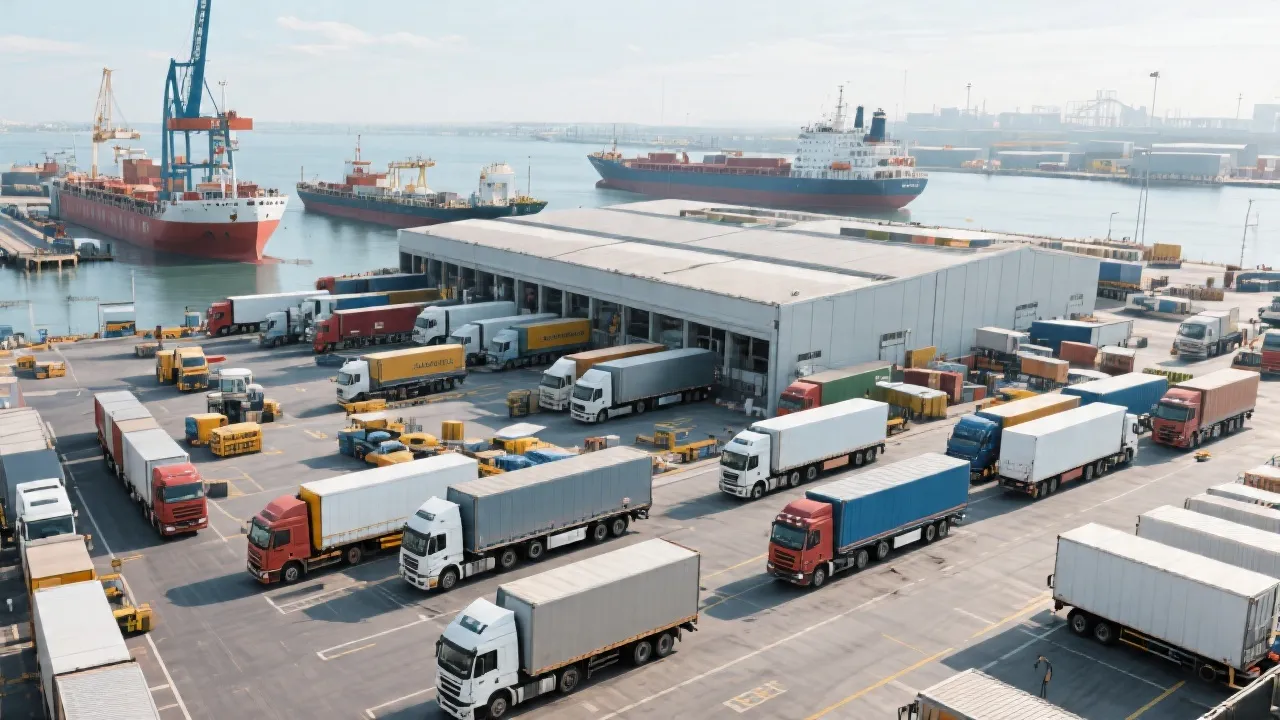
Supply chain logistics is a critical facet of any business involved in the production or distribution of goods. It refers to the orchestration of activities required to deliver products from suppliers to consumers, encompassing transportation, warehousing, inventory management, and the flow of information. This system is essential for ensuring timely delivery, maintaining product quality, and minimizing costs. In today’s competitive marketplace, mastering these logistics processes is not just beneficial; it is necessary for survival and success.
Businesses face an array of pressures that can impact supply chain logistics, including increasing consumer expectations for fast and reliable delivery, a growing amount of available data that can inform logistics decisions, and the need for cost-effective operations. As such, companies are now leveraging sophisticated technologies and innovative strategies to optimize their supply chain logistics. This foundational understanding sets the stage for diving deeper into the core components and strategies that facilitate effective supply chain logistics management.
The supply chain comprises several key components, each contributing to the seamless flow of goods:
The optimization of supply chain logistics involves adopting strategic measures tailored to the specific needs of an organization. Key strategies include:
In the globalized economy, supply chain logistics play a pivotal role. The ability to source materials from international suppliers and deliver finished products to a worldwide customer base expands market reach but also adds layers of complexity. Thus, companies must navigate global trade regulations, currency fluctuations, and diverse market demands. For instance, tariffs imposed on goods can significantly alter the total cost of goods sold, and companies must be agile in responding to these changes.
Moreover, varying regulations across countries can lead to compliance challenges. Import and export regulations must be carefully monitored to avoid potential fines or shipment delays. Companies often partner with local logistics firms who offer knowledge of local laws and can facilitate smoother operations.
Additionally, cultural differences can impact business negotiations and operational strategies. Understanding local markets and customer preferences is essential for tailoring logistics operations effectively. Businesses that invest in market research can better navigate these complexities, thereby achieving a competitive advantage in an increasingly interconnected world.
| Strategy | Description |
|---|---|
| Just-in-Time (JIT) | Aims to reduce inventory costs by receiving goods only as they are needed in the production process. This requires strong supplier relationships and reliable logistics coordination to ensure materials arrive right when needed, thus minimizing holding costs. |
| Third-Party Logistics (3PL) | Outsourcing logistics and fulfillment services to specialized providers enhances flexibility and focus on core business activities. 3PL providers can leverage their own network of carriers and warehouses, thus enabling companies to scale operations quickly without heavy investments. |
| Lean Logistics | Focuses on minimizing waste within the logistics processes, improving efficiency and reducing unnecessary expenditure. This approach not only enhances operational effectiveness but can also lead to improved customer satisfaction through more reliable delivery timelines. |
Despite advancements, supply chain logistics face significant challenges, including:
The landscape of supply chain logistics is continuously evolving, influenced by technological advancements and changing consumer expectations. Here are several trends that are shaping the future of logistics:
By understanding and implementing efficient supply chain logistics processes, companies can gain significant competitive advantages, ensure customer satisfaction, and sustainably grow in an ever-evolving global market. Overall, the landscape of logistics is in constant flux, driven by technological innovations and shifting consumer expectations. This constant change underscores the importance of agility and adaptability in supply chain logistics, making it crucial for businesses to remain engaged with ongoing trends and developments in the field. Such vigilance can foster lasting success and resilience in the face of future challenges. Additionally, as businesses evolve, so too must their logistics strategies, incorporating global perspectives as they expand their reach in diverse markets.




The year 1222 marks a significant period in history, noted for its pivotal events and developments across various domains. Rooted in the early 13th century, this year witnessed influential occurrences that impacted political, cultural, and scientific landscapes. Understanding the context and implications of this era offers valuable insights into the patterns of societal evolution.

Supply chain logistics involves the intricate planning, management, and coordination of product flow from origin to consumer. This article explores the key components, challenges, and top practices in the field, providing insights for professionals aiming to optimize processes and reduce costs. By understanding the nuances of supply chain logistics, businesses can enhance efficiency and deliver superior value to customers.
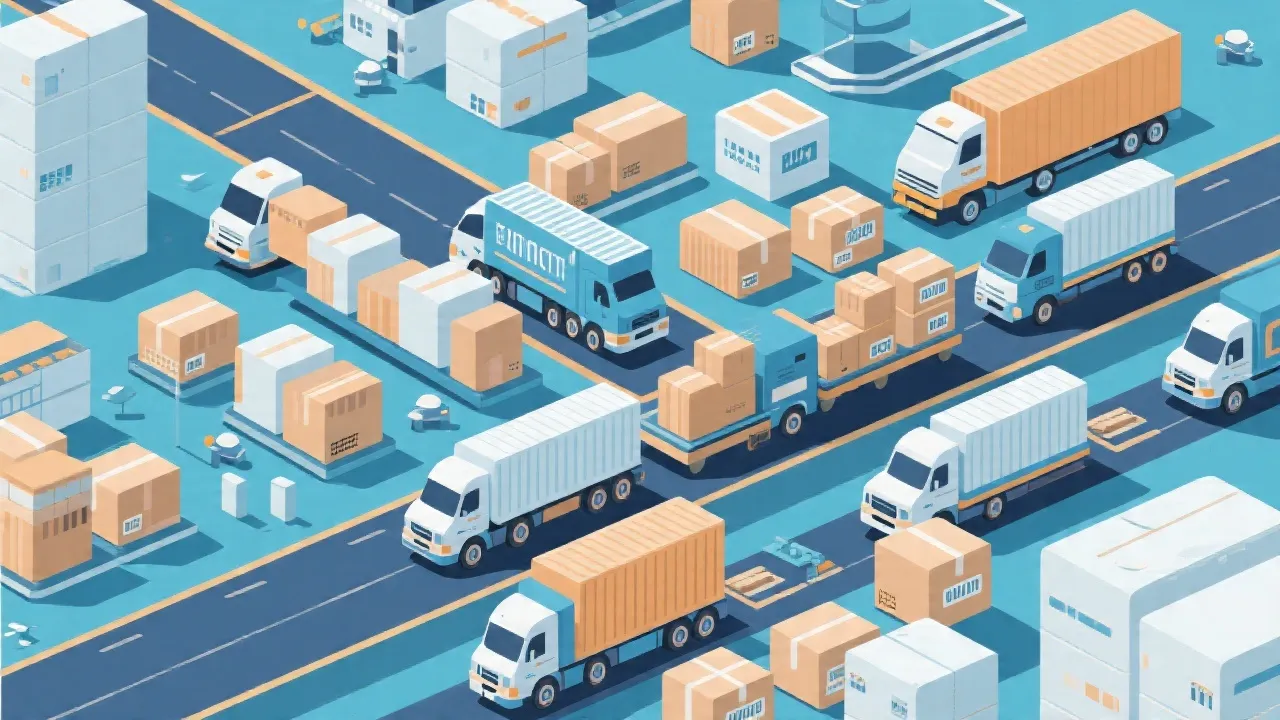
Supply chain logistics is a field encompassing the coordination of production, shipment, and delivery of goods. It involves a complex network of organizations, people, technology, and resources aimed at ensuring efficient processes. Understanding every component from warehousing to transportation is crucial in ensuring timely, cost-effective delivery while maintaining product quality and meeting consumer demands.
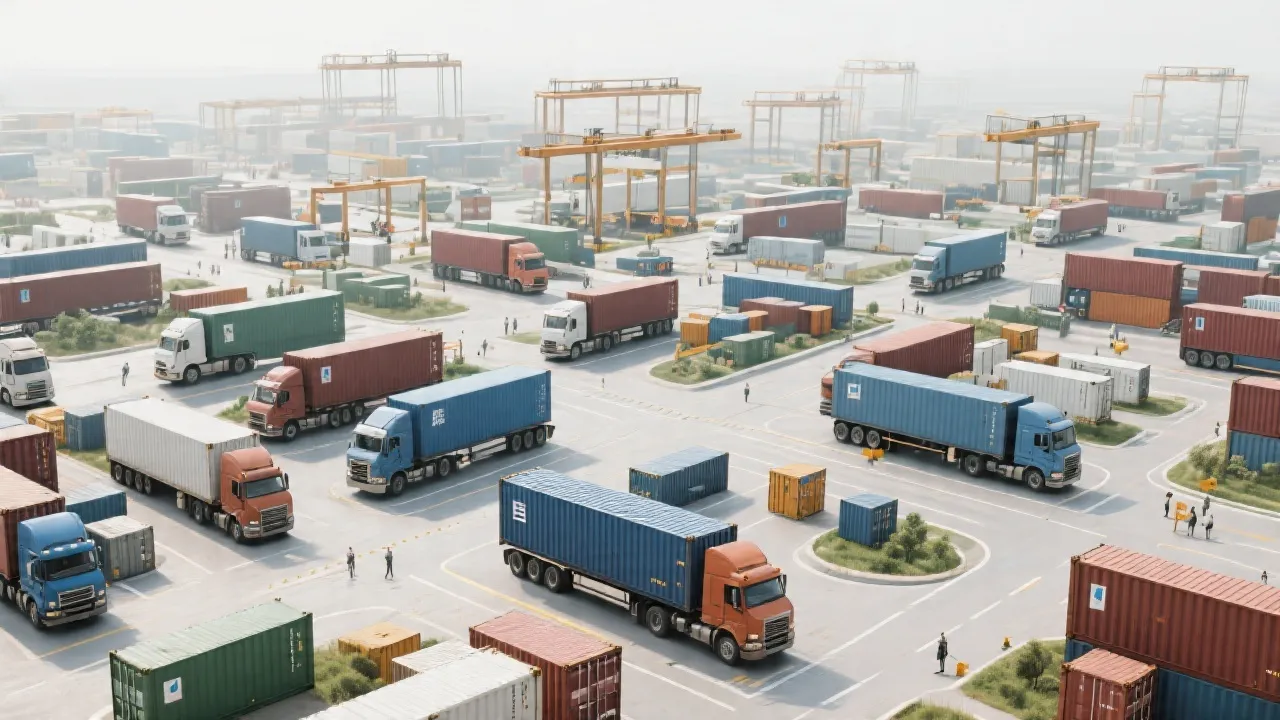
This guide explores the intricate landscape of supply chain logistics, emphasizing its essential role in global trade. Supply chain logistics involves the management of complex processes prioritizing efficiency and cost-effectiveness. This article delves into the core components, challenges, and future trends within this dynamic field, offering insights for professionals and businesses seeking to optimize their operations.

Supply chain logistics is a pivotal aspect of modern commerce, involving the strategic coordination and management of goods from suppliers to consumers. This article explores the intricacies of supply chain logistics, providing a comprehensive analysis from an industry expert's perspective, and offering insights into its function, challenges, and future trends.

Supply chain logistics involves the meticulous coordination and management of supply chain activities. Its primary aim is to ensure efficiency and cost-effectiveness while optimizing resources. Professionals in this field are tasked with overseeing everything from sourcing and procurement to manufacturing, distribution, and eventual delivery to the consumer. By understanding intricate logistics networks, businesses can enhance their operational success.