The year 1222 holds significant historical weight, marking events that shaped medieval society. From political upheavals to cultural shifts, this article delves into the multifaceted aspects of 1222, providing an expert analysis. Through various lenses including socio-economic dynamics and geopolitical transformations, 1222 is explored from multiple angles to provide a detailed understanding of its impact back then and its legacy in contemporary times.
The year 1222 is a remarkable period in history that reflects pivotal societal changes, innovations, and events that influenced the trajectory of human civilization. This article delves into the intricate tapestry of 1222, examining its events from an expert scholarly perspective. By exploring the context of this era, one gains insights into medieval political landscapes, cultural evolution, and socio-economic frameworks that have left a lasting imprint on history.
1222 played host to several noteworthy events across various regions. One of the key highlights was the establishment of institutions that would shape educational paradigms for years to come. The founding of universities during this period marked a profound shift in the dissemination of knowledge, fostering intellectual growth and laying the groundwork for the renaissance that would follow centuries later. Above all, this transformation was not limited to the traditional tutoring of clergy or aristocracy; it began to broaden intellectual pursuits to include a wider swath of society.
These universities began as cathedral schools, initially focused on preparing students for clerical positions. However, as they evolved, they began to encompass a range of subjects including philosophy, law, and the liberal arts. Notably, universities such as the University of Bologna, founded prior to 1222, notably influenced the methodologies adopted for education across Europe. In places as diverse as Oxford and Paris, educational institutions began to draw students from varying backgrounds and geographic locales, creating a melting pot of ideas and an accelerated exchange of knowledge.
This radical approach to education also paved the way for the emergence of a literate middle class. As trade burgeoned, literacy became a vital skill for artisans, merchants, and the administrative classes within growing towns. Thus, this year became a significant milestone in the progression toward modern educational systems that we recognize today.
During 1222, the social strata were predominantly governed by feudal systems that structured relationships between nobility, clergy, and commoners. This period also witnessed economic transitions ushered in by nascent trade networks that bridged different regions, facilitating the exchange of goods, ideas, and cultures. The agrarian economy still dominated, characterized by subsistence farming, but simultaneous developments in trade and commerce were evident. Markets began to take shape in towns and cities, creating opportunities for economic advancement beyond landowning.
These emerging trade networks increasingly connected Europe to the broader world, enabling the exchange not just of material goods such as spices, textiles, and precious metals but also of cultural and intellectual ideas. The burgeoning trade between Europe and the East, particularly through routes that would soon evolve into the Silk Road, allowed for the introduction of new crops, technologies, and philosophies that would enrich European culture and commerce. Merchant guilds began forming, providing not only economic strength but also a basis for social organization that would eventually challenge traditional feudal hierarchies.
As the economy began to pivot towards a more market-oriented model, towns grew significantly, enhancing urbanization and thus changing the dynamics of power within European societies. This was the genesis of a class of townsfolk whose influence would rise, culminating in significant political changes and upheaval in subsequent centuries.
The geopolitical landscape of 1222 was marked by shifts in power dynamics and territorial expansions. Nations and empires were frequently engaged in conflicts and alliances, influencing political boundaries and creating a complex geopolitical web. For instance, one of the notable events was the ongoing conflict involving the Kingdom of Hungary, which despite internal divisions, was emerging as a significant power in Central Europe. The reign of King Andrew II marked an era of both consolidation and expansion, as he sought to assert his authority and expand his territory.
This conflict showcased the fluctuations of loyalty and territorial claims typical of the feudal era, defining the intricate political relationships that would dictate the region's future. Similarly, the relationships between the Holy Roman Empire and various city-states illustrate the complexity of power during this time, as they often found themselves in negotiation and conflict over autonomy and allegiance. The maps of Europe were in a constant state of flux, where smaller principalities and fiefdoms were either absorbed into larger kingdoms or gained autonomy through strategic alliances and warfare.
Moreover, the geopolitical dynamics of this era were also influenced by external forces, including the Crusades. Although the Crusades had begun decades earlier, their ramifications continued to shape political and social structures within Europe and the Middle East. The interaction with Islamic empires led to both cultural exchange and ongoing strife, further complicating political allegiances and territorial claims.
Culturally, 1222 was characterized by artistic, literary, and architectural flourishes. The era heralded a period where cultural patronage flourished, supported by wealthy merchants and nobility. This led to significant artistic productions, evidenced by illuminated manuscripts, grand cathedrals, and burgeoning literature that captured the zeitgeist of the period. Artistic movements began to reflect the local socio-political strife and narratives, fostering an era where creation was intertwined with commentary on contemporary issues.
The Gothic architectural style began to take precedence in constructing cathedrals and public buildings, characterized by soaring structures and intricate designs that aimed to evoke a sense of divine connection. Notable examples from this period include the early phases of many renowned cathedrals that symbolized not only the religious exuberance of the age but also the growing pride of local communities in their burgeoning cultural identities.
Alongside architecture, literature began to flourish with the advent of troubadour poetry and chivalric tales. The compositions often reflected the societal themes of courtly love, valor, and heroism. Works crafted in vernacular languages began to gain popularity, diverging from the exclusive Latin literary tradition, thereby allowing broader audiences to engage with cultural expressions. This literary development coincided with the later emergence of significant literary figures who would shape European literature profoundly in upcoming centuries.
The last decades of the 12th century and the early 13th century saw the fusion of various artistic styles and influences due to the cross-cultural exchanges facilitated by trade. The impact of the Crusades facilitated the reintroduction of Classical knowledge and arts from the Islamic world, bringing with it not only architectural styles but also advancements in scientific thought that would lay the groundwork for the next wave of enlightenment in scholarship.
| Aspect | 1222 Context | Contemporary Relevance |
|---|---|---|
| Education | The foundation of universities began to shape medieval education. | Education systems continue to evolve, influenced by foundational models from historical universities. |
| Economy | Feudal economy with emerging trade networks. | Current global trade can trace roots to these early systems. |
| Politics | Feudalistic governance with dynamic geopolitical strategies. | Modern political boundaries and alliances have historical antecedents. |
| Culture | Art and literature flourished under patronage systems. | Contemporary cultural institutions are inspired by these historical art movements. |
Religion during 1222 played an essential role in shaping both daily life and broader societal structures. The Catholic Church was a dominant force within Europe, influencing not only spiritual matters but also governance and social norms. The authority of the Pope extended across various facets of life, and the Church often acted as a mediator in political disputes, further intertwining ecclesiastic power with secular governance.
This period also saw the continued tension between Christianity and the Islamic world, a byproduct of the Crusades, which had established a legacy of conflict but also significant cultural exchanges. The exchange of ideas, goods, and cultural practices between these civilizations started to influence scholarly pursuits, cuisine, and the arts within Europe. With the Crusades in focus, religious zeal prompted both fervent support and vociferous opposition among the populace, underlining the complex relationship between faith, national identity, and societal cohesion.
The spiritual practices and beliefs of the time also played a role in shaping art, literature, and even daily customs. Festivals, rituals, and holy days punctuated the calendar and provided communal bonds among townsfolk. Additionally, the presence of monastic communities was pivotal; these religious centers often served as beacons of learning and preservation of knowledge. They not only contributed to the societal economy through agricultural practices but also as early educators and keepers of history, reflecting the delicate balance of spirituality and terrestrial concerns.
What made 1222 a pivotal year in history? The founding of universities and emerging trade networks were critical in shaping future socio-economic and educational structures.
How did the economic interactions in 1222 influence today’s trade systems? The interconnected trade routes of 1222 laid the groundwork for an evolving global trade system, seen in today's international connectivity.
What were some key political shifts during 1222? 1222 saw dynamic political strategies with shifting allegiances, which influenced the power structures and territorial boundaries we recognize today.
How did religion impact social dynamics in 1222? Religion, chiefly through the Catholic Church, influenced governance, social norms, and cultural practices, intertwining faith with everyday life and broader societal structures.
The comprehensive exploration of 1222's historical context reveals the profound impact of socio-economic and cultural movements often overlooked. Through expert analysis and comparative insights, this article elucidates the intricate dynamics of the era and their enduring relevance, demonstrating how the threads of history intricately weave the fabric of contemporary society. The lessons earned from this pivotal year underscore the continuity of human experiences, illustrating that while the surface of society may change, the complexities of relationships, power, and culture persist through time.



The year 1222 holds significant historical weight, marking events that shaped medieval society. From political upheavals to cultural shifts, this article delves into the multifaceted aspects of 1222, providing an expert analysis. Through various lenses including socio-economic dynamics and geopolitical transformations, 1222 is explored from multiple angles to provide a detailed understanding of its impact back then and its legacy in contemporary times.
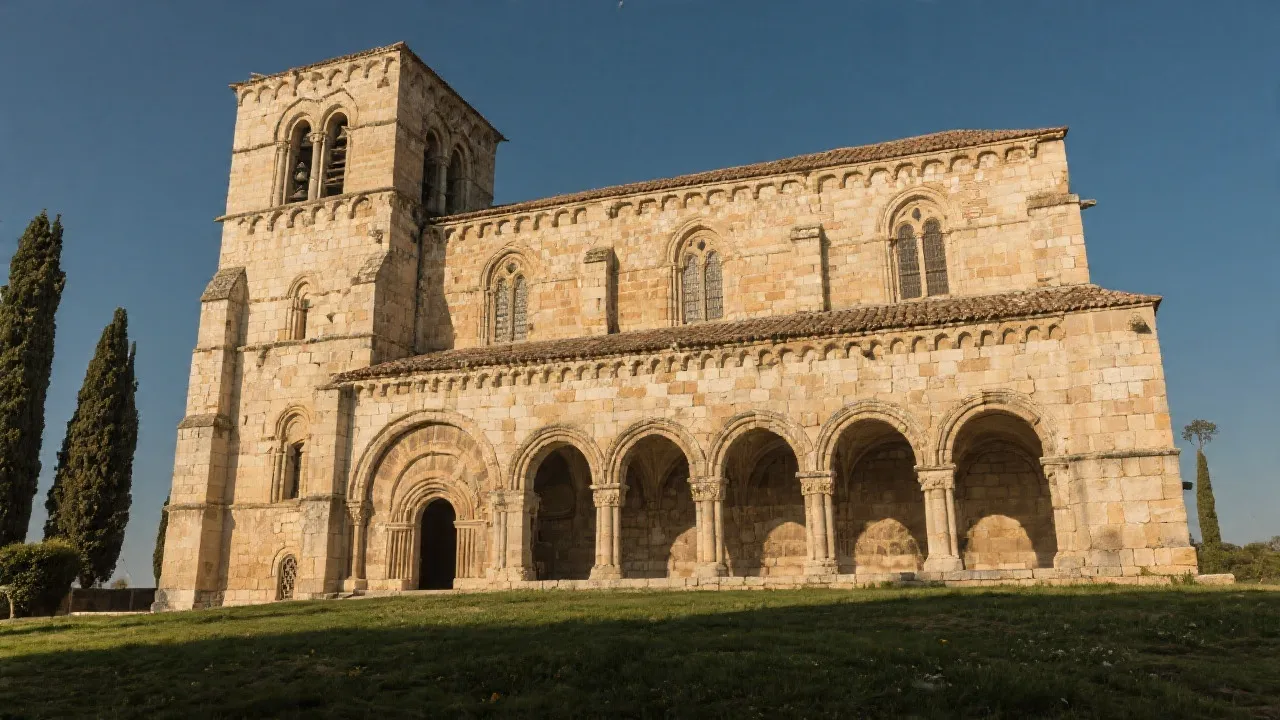
This guide delves into the year 1222, highlighting its significance within the medieval era. The year is pivotal in medieval history, marked by significant socio-political and cultural developments. These events shaped a transformative period in European society, with notable occurrences that influenced subsequent centuries.
The year 1222 holds significant historical importance due to pivotal events across continents, shaping socio-political landscapes and cultures. From Asia to Europe, 1222 influenced the development of empires and trade networks, underscoring its crucial role in global history. This guide delves deeply into these impacts, examining key developments and their long-lasting effects on our world today.